Specifically engineered for rugged field deployment, offering superior performance across the extreme temperature drops and dusty atmosphere of the Afghan Highlands.
The industrial landscape in Afghanistan is entering a critical phase of physical and systemic reconstruction. Core sectors such as mining exploration (including lithium deposits in Ghazni and copper extraction at Mes Aynak), municipal infrastructure deployment, and cross-border commercial transport are driving the immediate need for robust perimeter security and continuous process safety inspection systems. Because traditional optic sensors fail in remote locations with zero lighting, heavy seasonal sandstorms, and dramatic thermal swings, the adoption of long-range thermal camera technology has transitioned from a specialized luxury to a fundamental operations requirement.
Additionally, critical public enterprises—specifically the Da Afghanistan Breshna Sherkat (DABS) electrical grid and regional water supply pipelines—face continuous operational threats from environmental shifts and mechanical decay. The implementation of high-accuracy thermal core modules and pan-tilt-zoom (PTZ) optical systems helps system operators inspect sub-stations remotely, spot overheating switches before they failure, and maintain energy flow across rural provinces.

Over 22 years of elite product engineering, transitioning traditional imaging systems into high-performance smart infrared visual platforms.
Vuelo's internationally registered trademark since 2013 stands at the cutting edge of industrial thermal imaging solutions. By maintaining 100% ownership over the assembly, sensor alignment, software integration, and environment chamber validation processes, we ensure that every single unit delivered to our partners in Afghanistan fulfills military-grade durability standards. Our engineering teams integrate real-world environmental feedback to build optical systems that withstand dust storm penetration, heavy rain, and extreme temperature ranges.
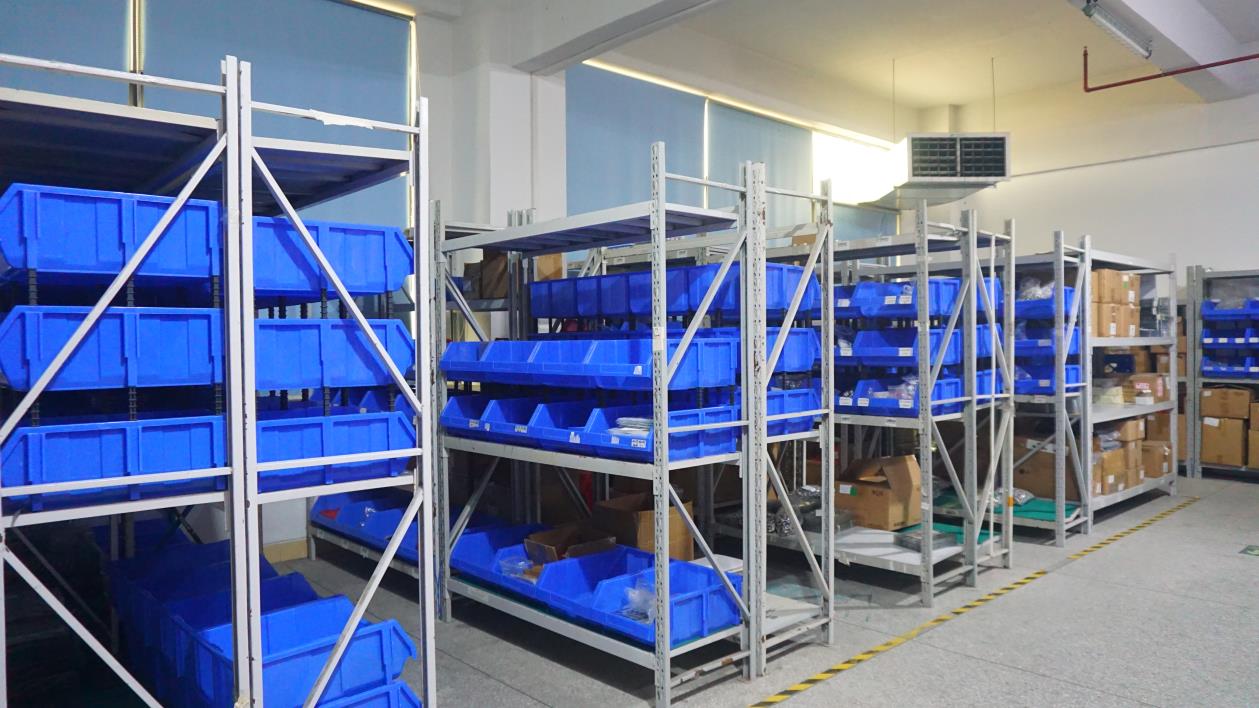
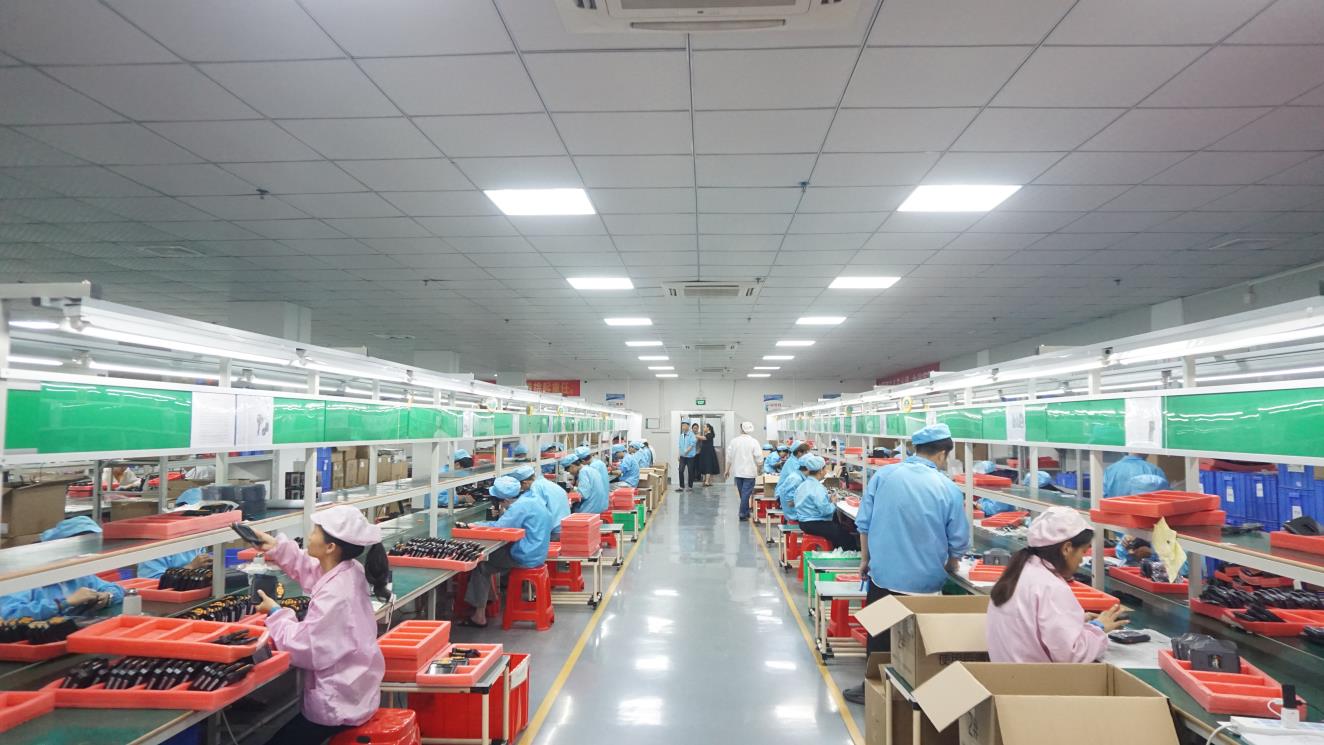
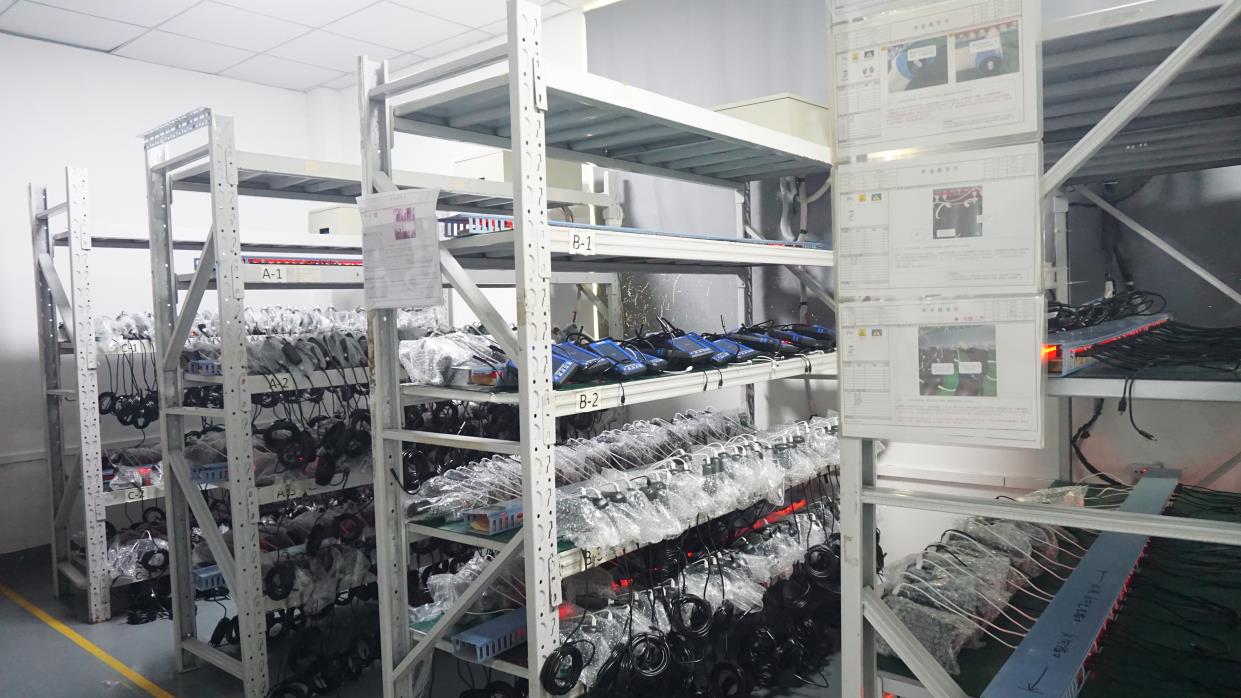
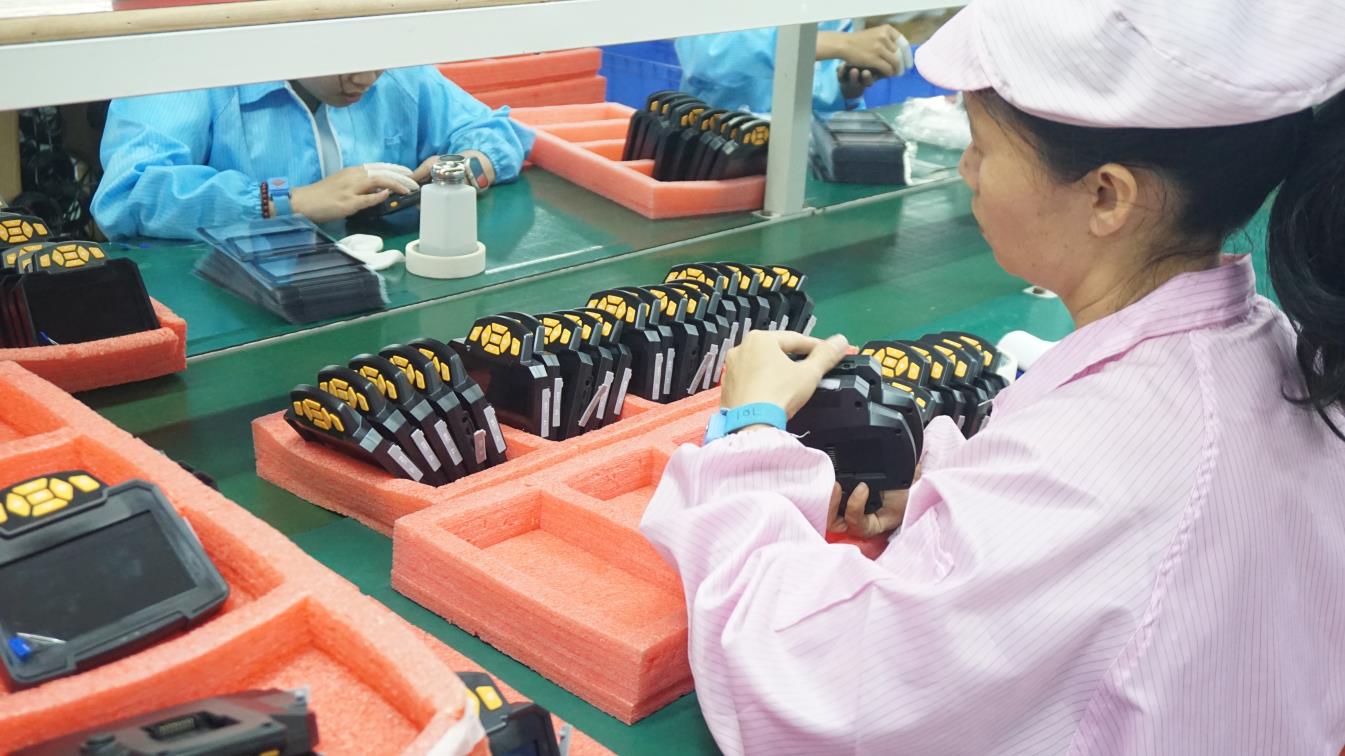
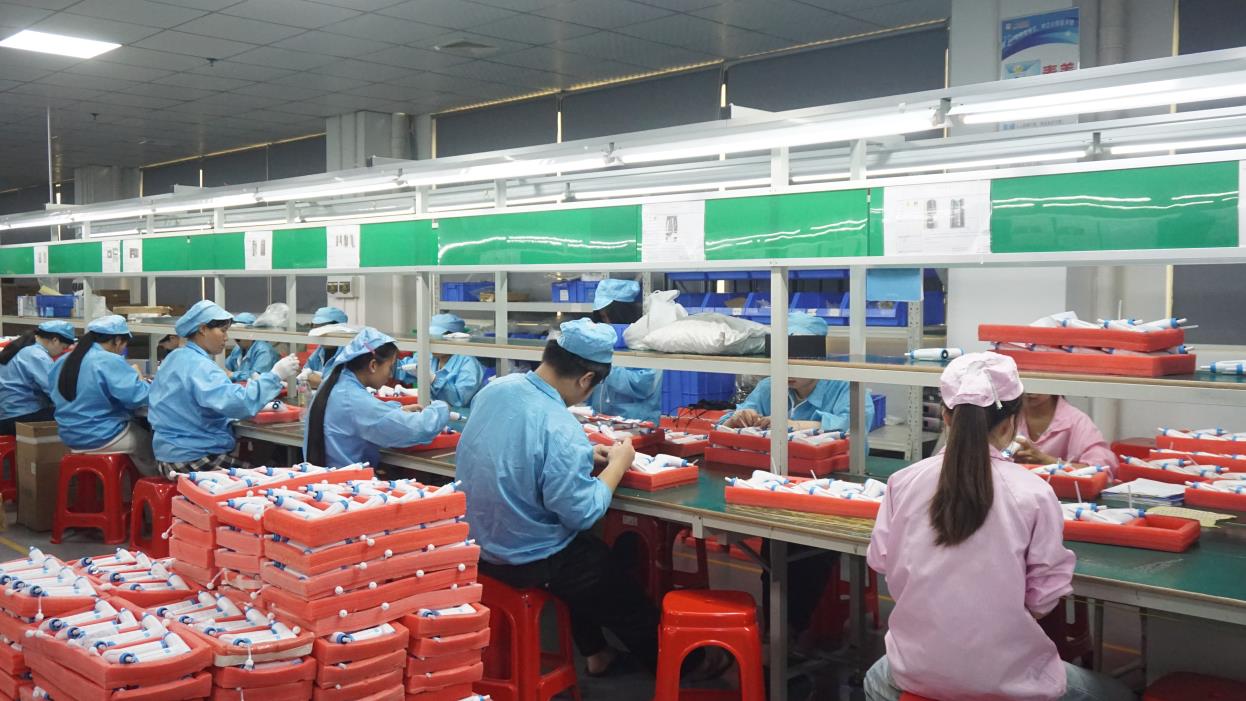
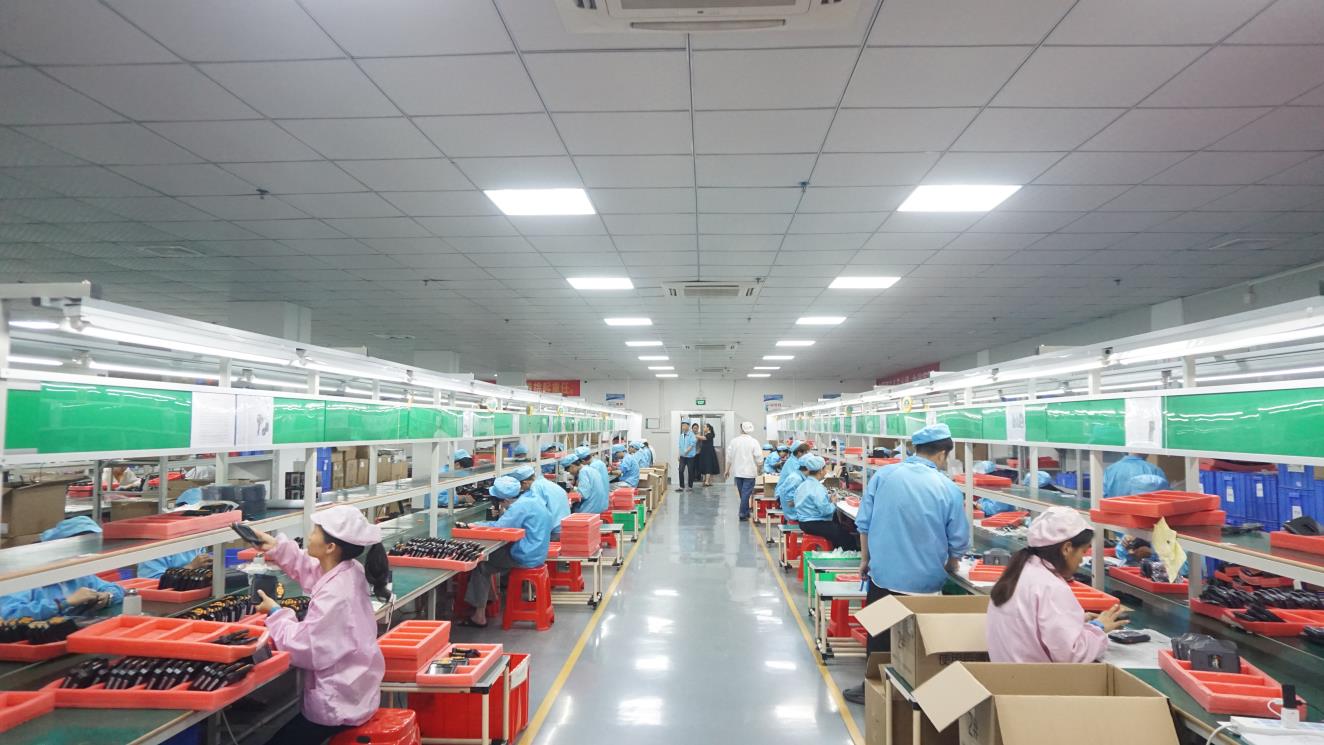
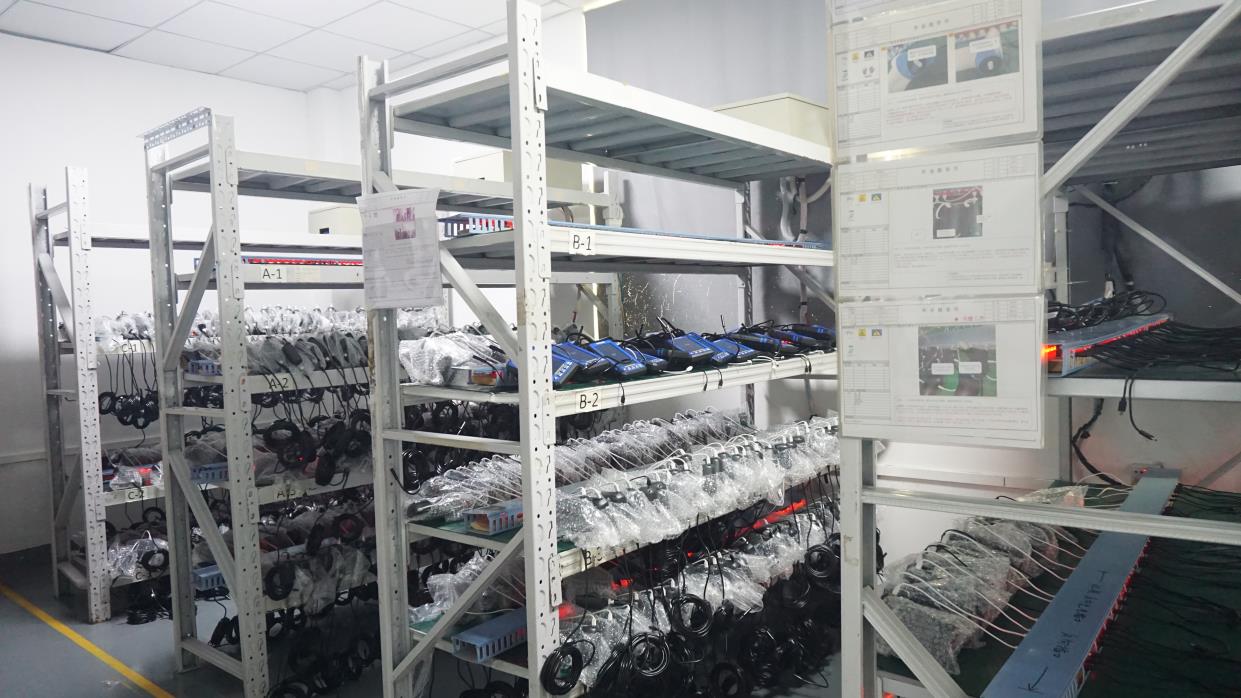
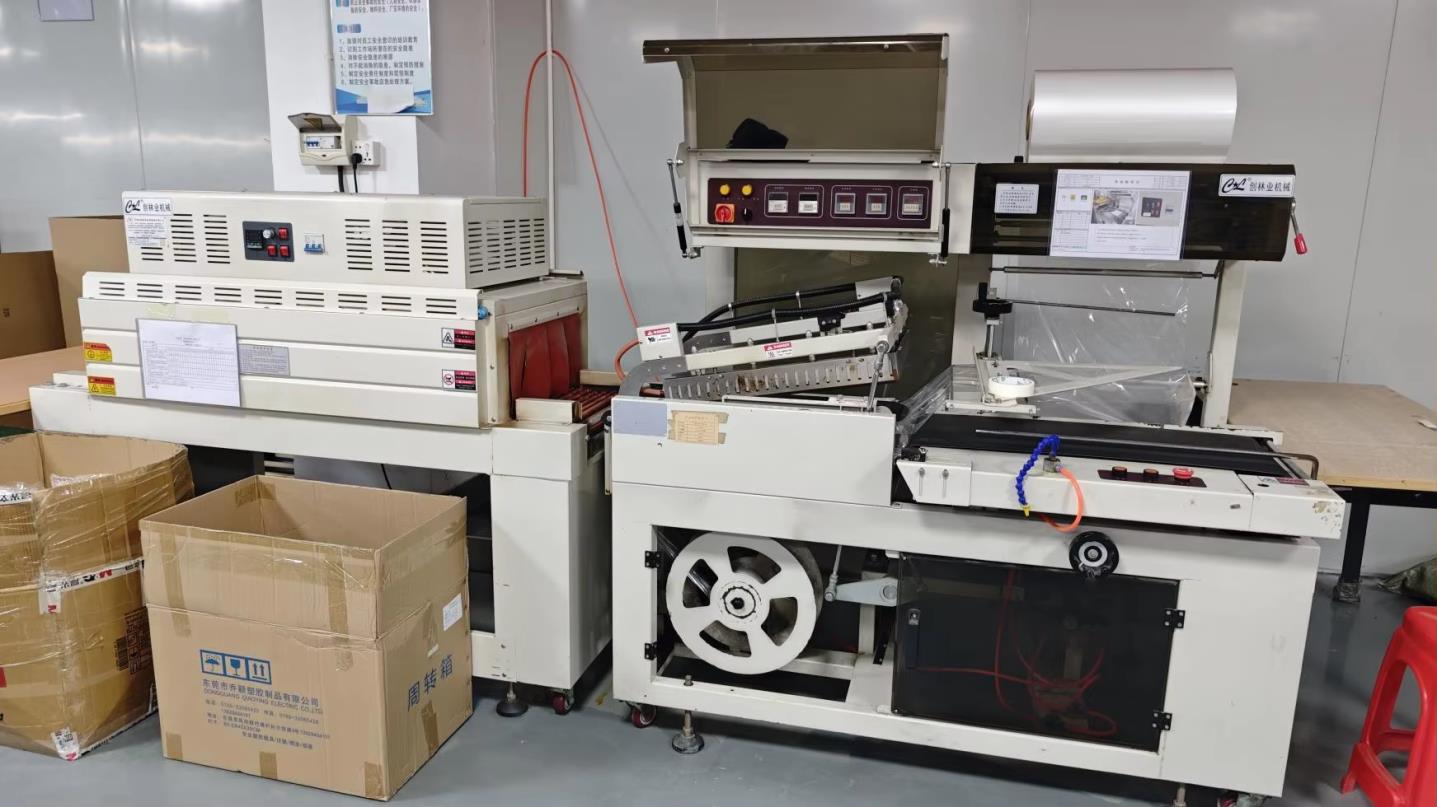

Combining the strength of China's advanced optical supply chains with Vuelo's rigorous quality verification framework.
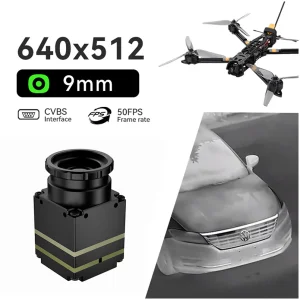
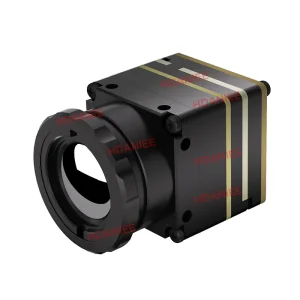
By leveraging uncooled Vanadium Oxide (VOx) microbolometer technology, we provide detectors with incredibly low Noise Equivalent Temperature Difference (NETD ≤ 40mK). This guarantees high-contrast thermal imagery even in thick sandstorms and low thermal contrast environments.
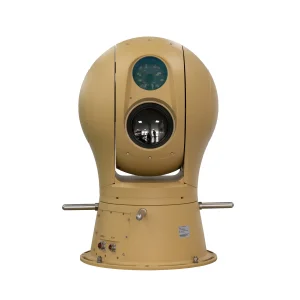
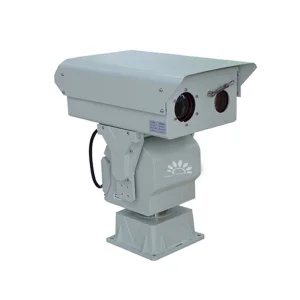
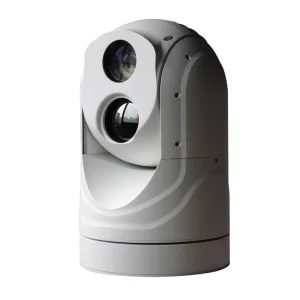
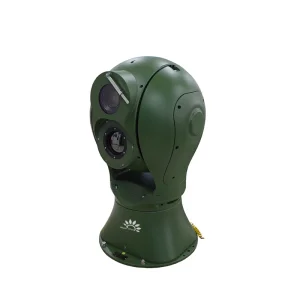
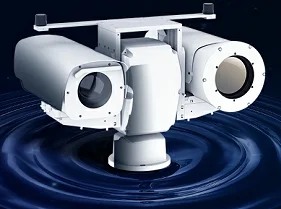
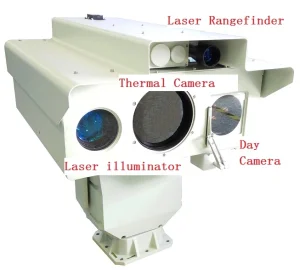
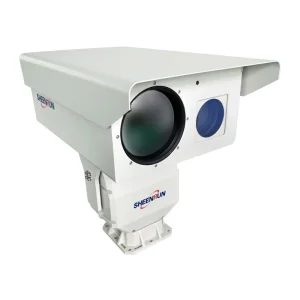
Our PTZ and dome camera systems combine optical HD zoom lenses with high-performance thermal modules. This dual-channel design lets security teams quickly correlate anomalies from the thermal sensor with the high-resolution visible-light camera, which speeds up threat identification.
Every housing undergoes automated pressure and seal testing to achieve an IP67 rating. Incorporating internal heaters and active de-fogging systems, our devices function seamlessly at extreme operational temperatures ranging from -40°C to +85°C, which is ideal for the Hindu Kush mountains.
Purchasing direct from our Shenzhen factory provides local operators with verified product certifications (CE, FCC, RoHS, ISO9001), direct technical access to software APIs, custom lens matching (from 25mm to 100mm motor-driven focal systems), and reliable spare parts delivery through major Central Asian cargo lanes. Vuelo coordinates custom clearing documentation support for border crossings, minimizing procurement downtime.
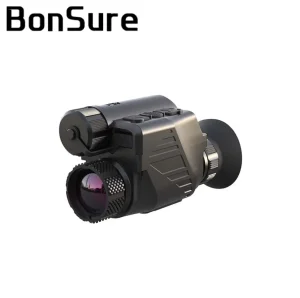
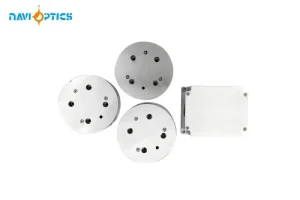
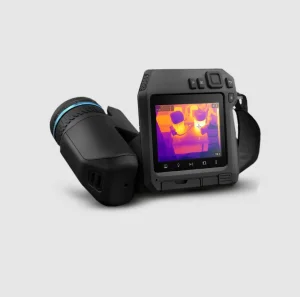
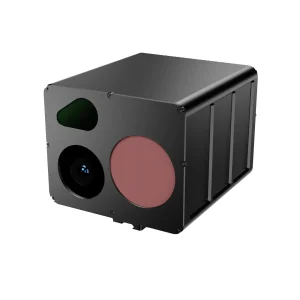
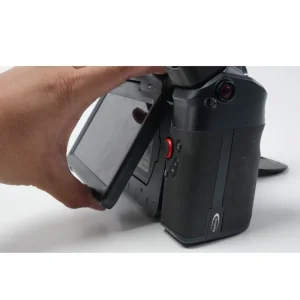
Browse our complete catalog of specialized handheld thermal cameras, multi-spectrum PTZ arrays, uncooled core modules, and precision tracking gyroscopes.
Exporting high-technology optoelectronic equipment into the Afghan market requires strict adherence to international shipping laws, export controls, and performance verification. Vuelo designs and fabricates each thermal core and camera assembly under a strict ISO 9001:2015 certified workflow. Each device undergoes an automated multi-step verification pipeline:
Optical Centering & Focal Stabilization: Using automated collimators, our manufacturing engineers align the germanium lenses with the microbolometer sensor array. This guarantees uniform focus and prevents drift caused by environmental vibrations or thermal shock.
Extended Thermal Chamber Burn-In: To ensure hardware longevity in remote locations, all camera boards and optical cores undergo a minimum of 72 hours of continuous thermal cycle testing (varying from -35°C to +75°C) inside automated test chambers. This process filters out component-level vulnerabilities before packaging.
Dust and Ingress Certification: Our custom enclosures are tested using high-pressure dust jet systems. This verifies that fine particles cannot penetrate the seals or compromise the internal electronics, ensuring reliable performance in arid environments.
Understanding the technological integration of AI edge computing, smart alerts, and drone payload advancements.
The industrial security landscape is shifting from passive monitoring to active edge analytics. Modern thermal camera modules are no longer simple display units; they feature onboard ARM processors running custom deep learning algorithms. These networks can accurately classify human, animal, and vehicular targets, triggering real-time alerts. This reduces false alarms caused by moving foliage or wind-blown dust, which is essential for remote installations with limited bandwidth.
Aerial survey projects in rugged, mountainous provinces rely heavily on lightweight thermal payloads. By shrinking thermal sensor packaging (using 12um pitch cores), drone operators can fly longer missions while capturing high-resolution thermal mapping data. This helps locate path blockages, trace geologic faults, and conduct search-and-rescue operations efficiently.
As transit pathways expand through Central Asia, regional logistics centers require integrated safety systems. Uncooled thermal cameras are increasingly used at border hubs and transshipment terminals to screen arriving cargo for safety risks. Automated temperature monitoring flags anomalies before trucks enter high-density storage zones, preventing accidents.
In municipal reconstruction, hand-held diagnostic thermal imagers are now standard tools for construction inspectors. These systems are used to verify building insulation, identify under-surface moisture pockets in structural columns, inspect solar arrays, and survey subterranean pipe arrays without requiring costly excavation work.
Get answers to common technical, logistics, and integration questions from our engineering and sales support specialists.
 Vuelo Camera