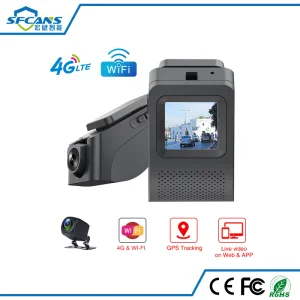
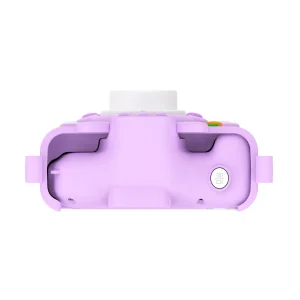
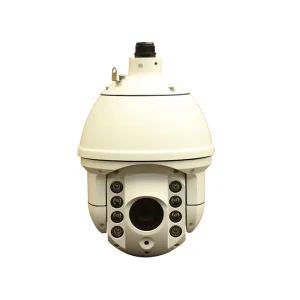
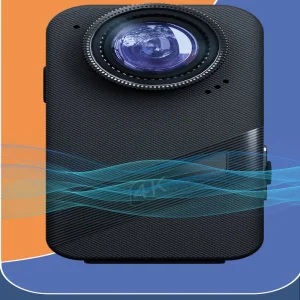
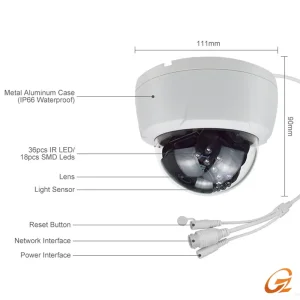
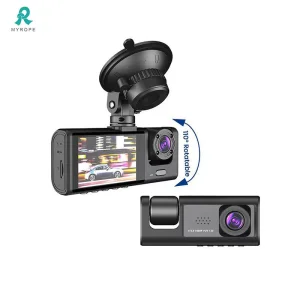
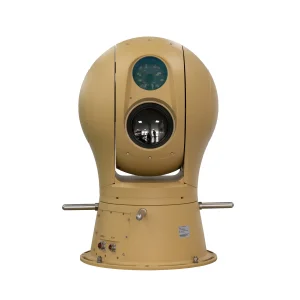
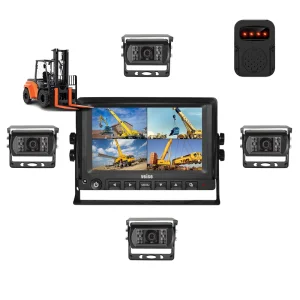
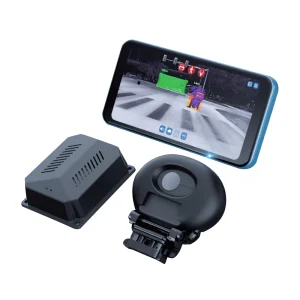
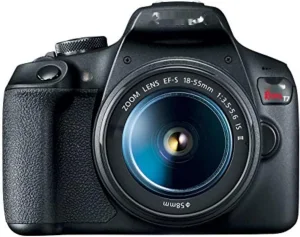
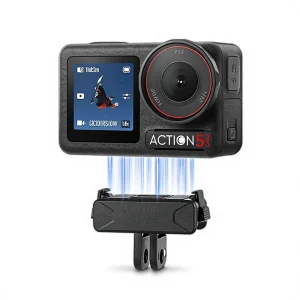
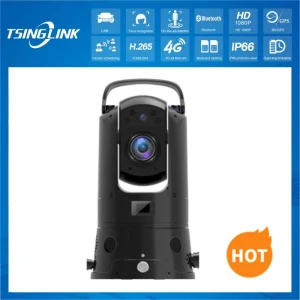
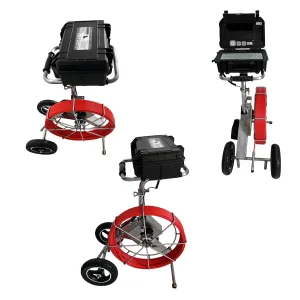
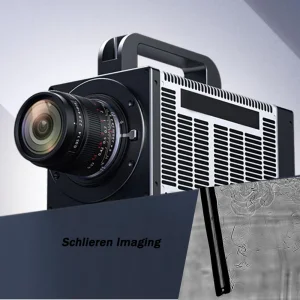
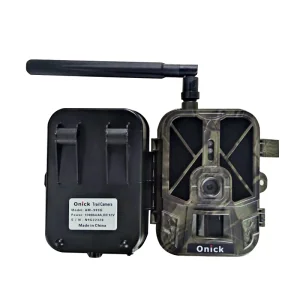
Explore our standard array of active detection systems, intelligent dashboard solutions, and advanced industrial surveillance units.
Deciphering the convergence of Optical, Electronic, and Gimbal-driven Stabilization (OIS, EIS, HIS) for extreme environments.
Optical Image Stabilization uses real-time gyroscopic feedback to move the glass elements inside a lens stack. By counteracting hand-shake and vehicle vibration along multiple axes, OIS preserves the original sensor footprint and prevents dynamic resolution degradation.
Electronic Image Stabilization algorithms detect movement through multi-axis IMU sensors and match it with optical flow tracking algorithms. Frames are cropped and repositioned on the fly at sub-pixel levels, delivering buttery-smooth action recordings without structural weight.
Combining mechanical micro-gimbals and high-frequency algorithms, HIS provides the ultimate solution for high-vibration applications. Essential for drone tracking, UAV payloads, and military surveillance systems where clarity under motion is critical.
Inside the operational scale, global lineage, and technology portfolio of Shenzhen Vuelo.
Established as a pioneer in vision engineering, Shenzhen Vuelo Camera Technology Co., Ltd. has spent more than 22 years spearheading optical innovations. From classic photographic structures to the latest AI-enabled and network-integrated smart security architectures, Vuelo has consistently adapted to demanding international requirements.
Registered globally as Vuelo in 2013, the brand has established high benchmarks in Optical Zoom Camera configurations, Instant Print Cameras, Action Cams, and Extreme Environment Imaging. R&D operations integrate user feedback loops alongside cross-functional engineering, ensuring each camera platform achieves maximum durability and ease-of-use.
Located in the electronics capital of Shenzhen, China, Vuelo operates fully integrated manufacturing facilities capable of delivering large-scale OEM/ODM projects. Our technical capabilities extend from high-speed PCB placement to customized firmware tuning, offering end-to-end support for precision markets worldwide.

Vuelo's optimized process ensures zero-defect delivery across all optical assemblies and system integrations.
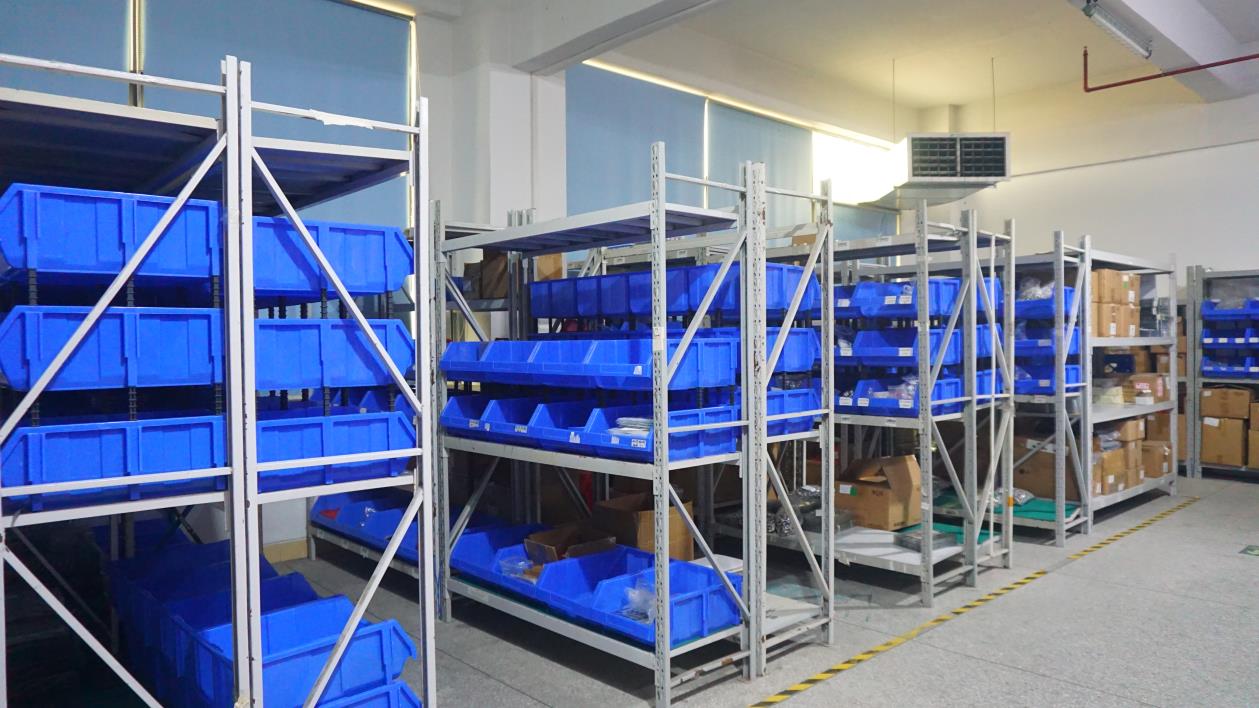
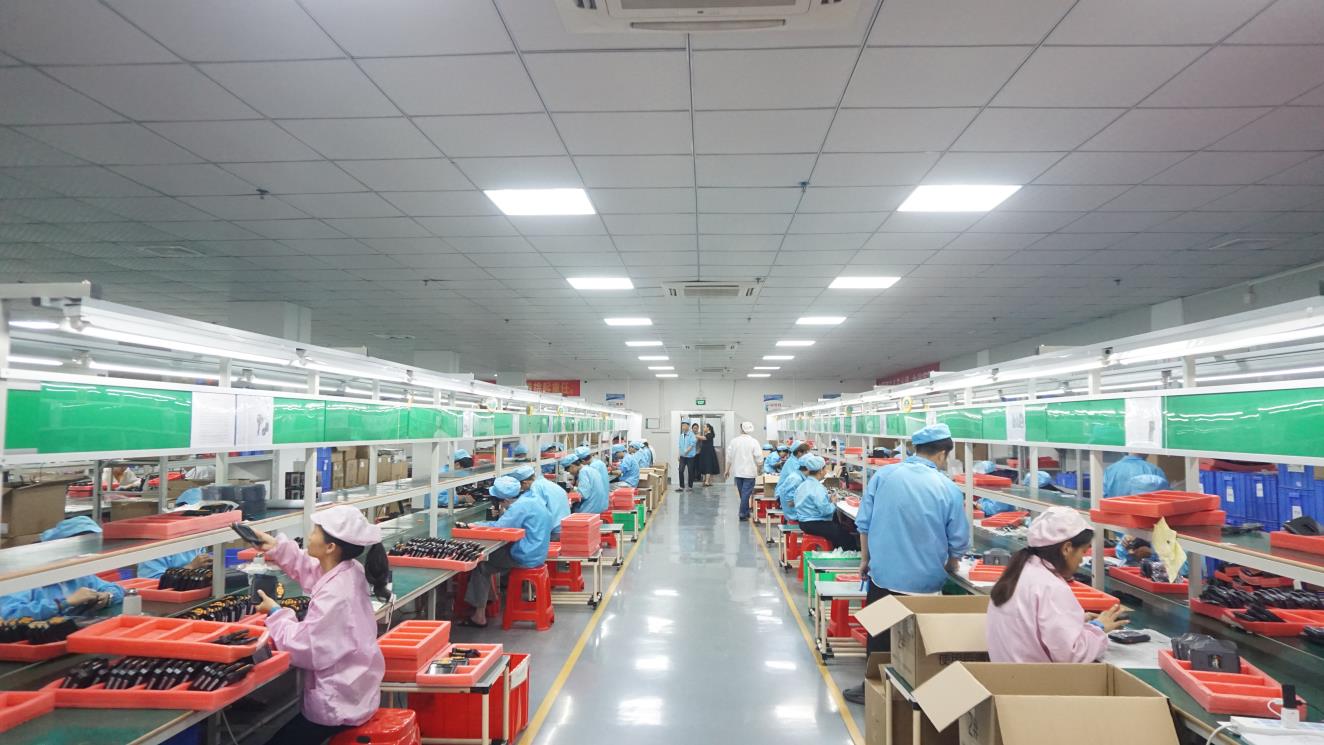
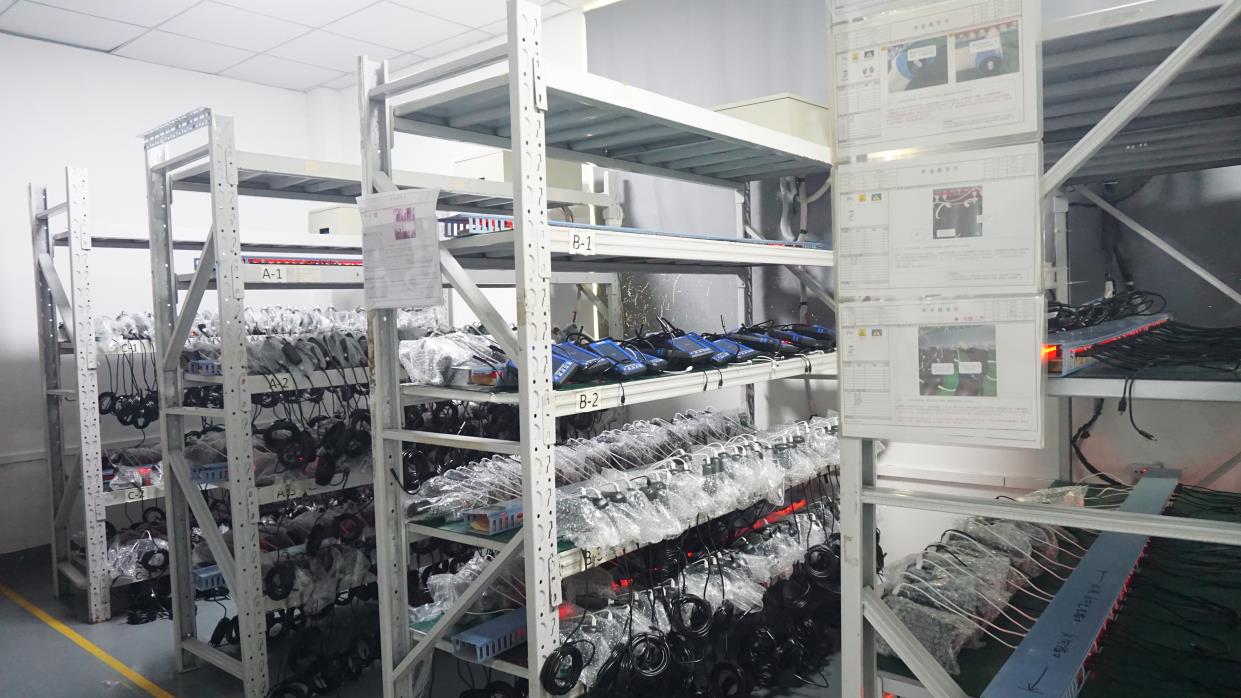
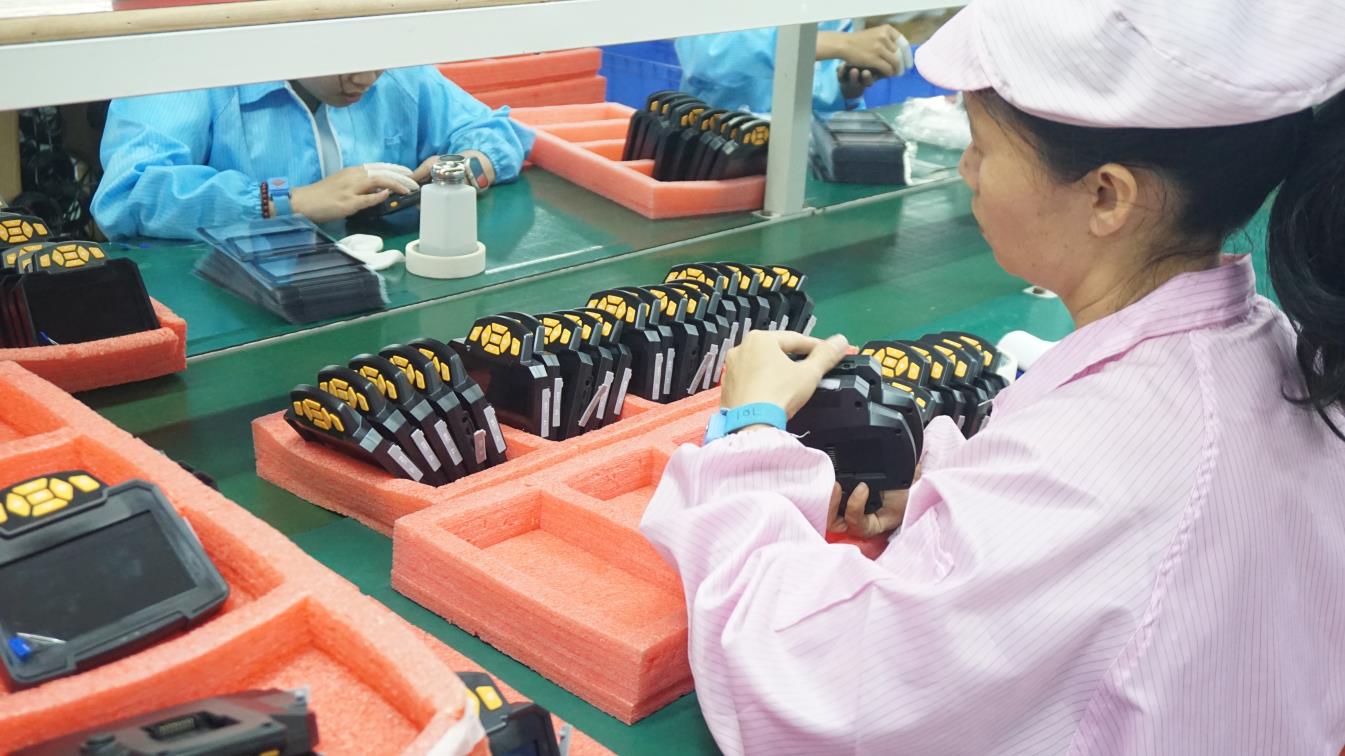
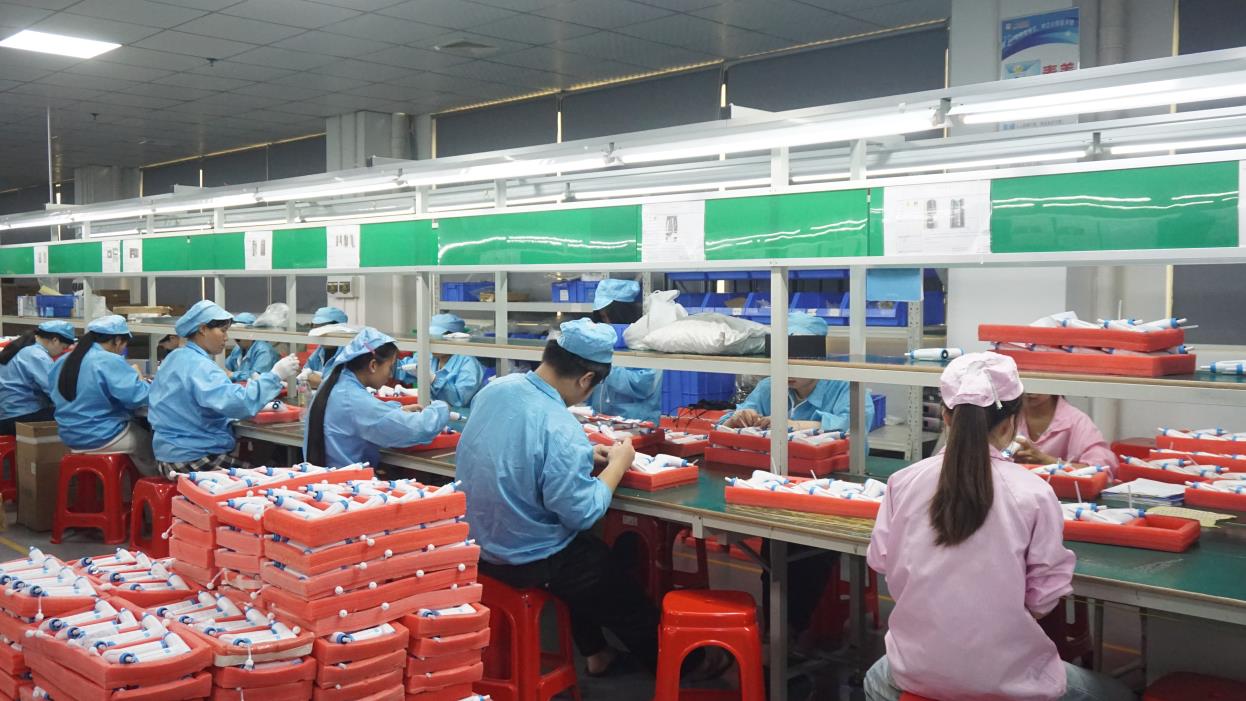
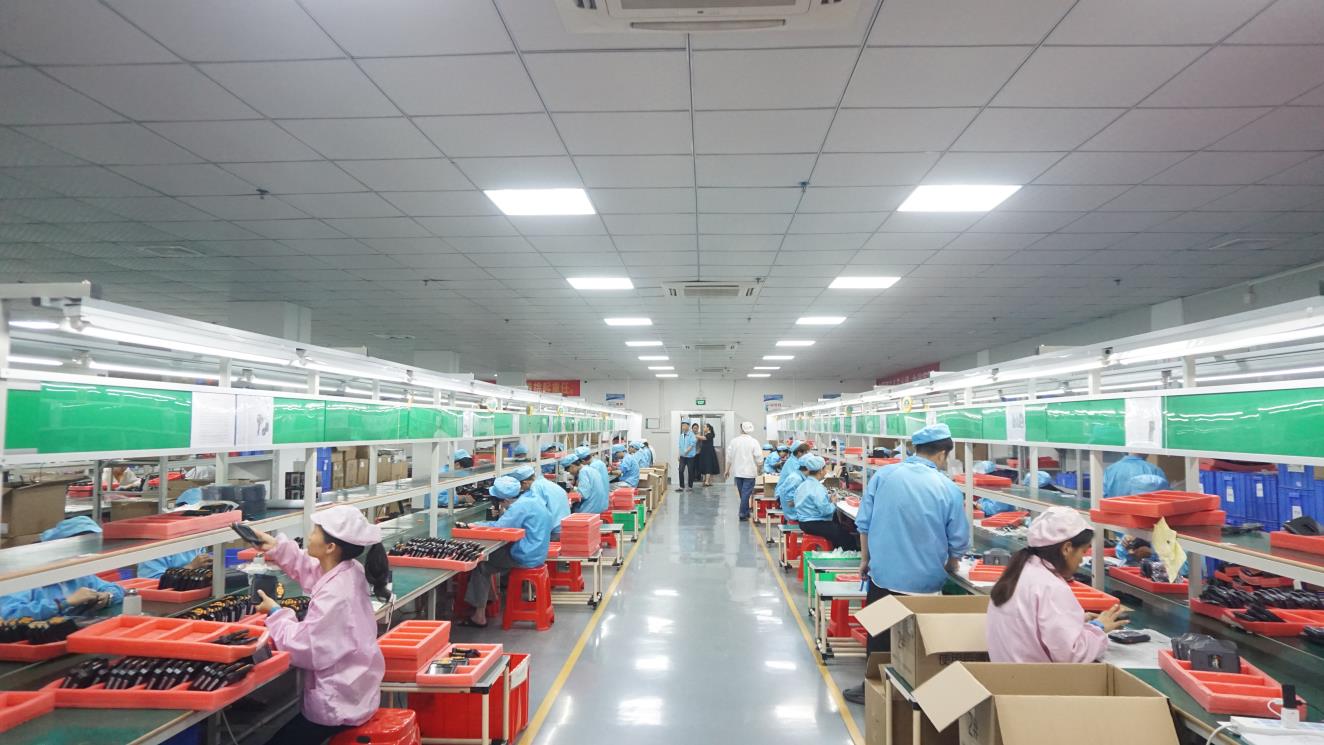
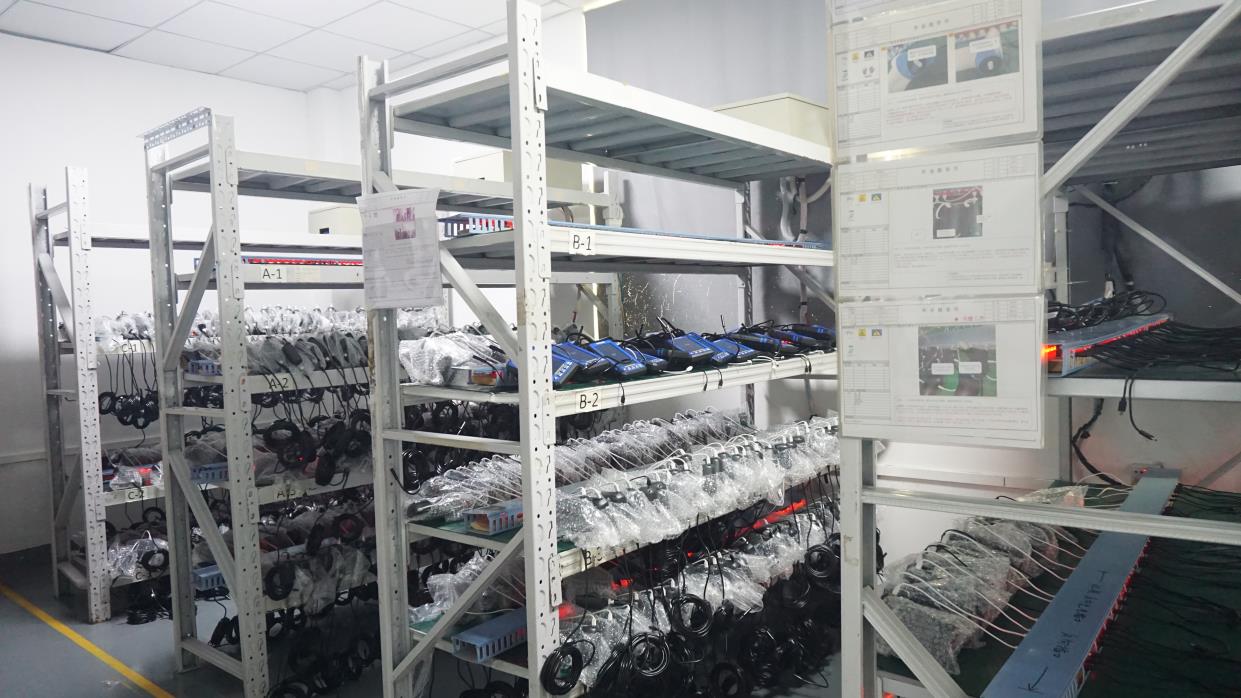
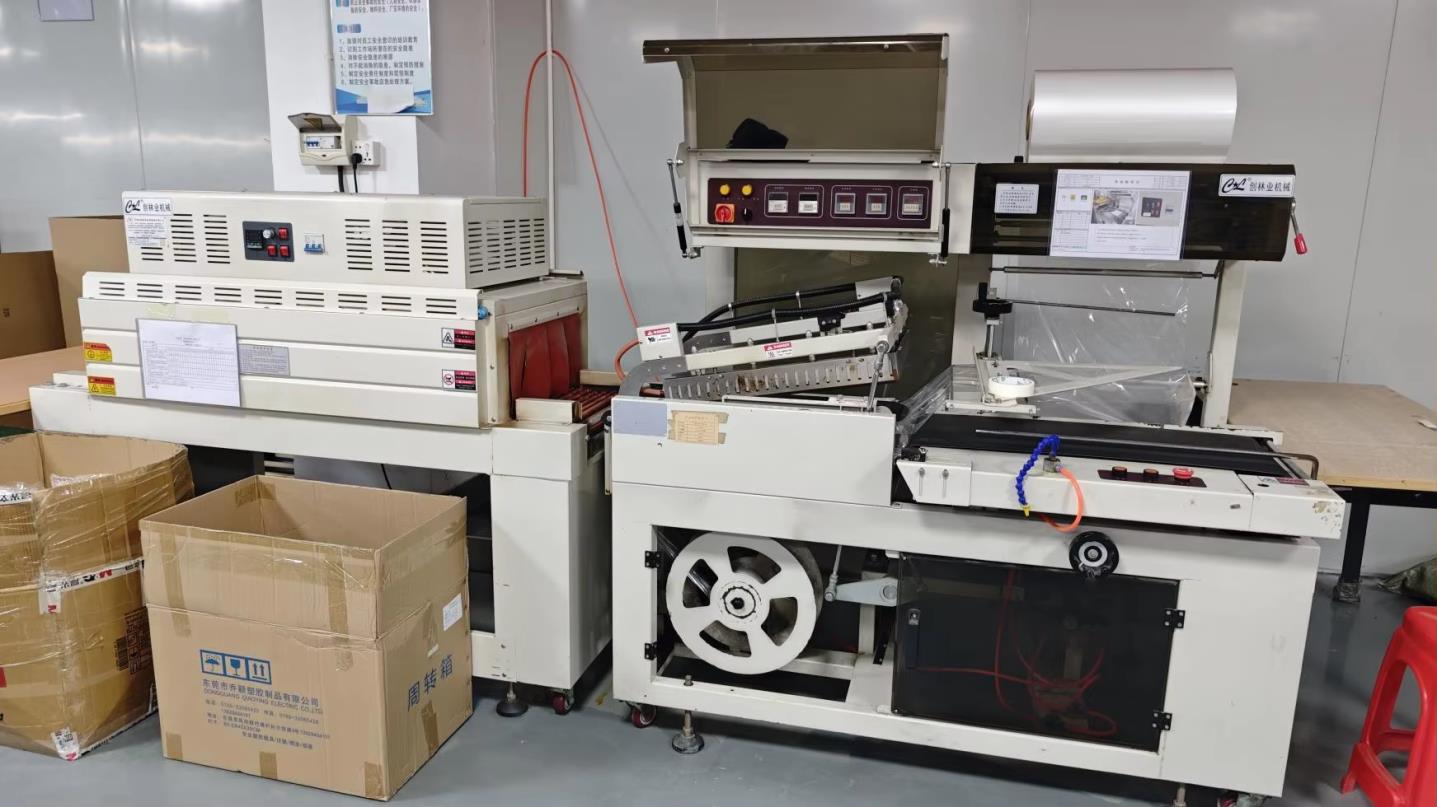
Technical Process Map: Quality control integration at each manufacturing milestone, from raw sensor arrays to computerized packaging validation.
Navigating the transition toward multi-modal sensing, neural scene rendering, and ultra-high dynamic range stabilization.
Traditional EIS compromises frame resolution by dynamic cropping. The future lies in neural frame synthesis, where multi-scale generative networks reconstruct cropped edges on the fly. This retains the full field of view (FOV) while achieving complete high-frequency vibration damping.
By fusing time-of-flight (ToF) spatial data from micro-LiDAR arrays with IMU readings, camera systems can predict motion in three dimensions. This allows predictive lens elements adjustment even before physical displacement registration, resulting in near-zero latency.
In aerospace tracking and fast transit inspections, motion blur presents a significant obstacle to automated machine learning models. By combining hardware mechanical stabilization with sub-millisecond exposure adjustments, we ensure that deep learning engines receive razor-sharp frames for edge object classification.
Customized vision systems designed for critical sectors worldwide.
Our fleet systems combine dual-lens 4G/GPS connectivity with active vibration isolation. This ensures clear, high-resolution footage for AI-based driver monitoring and lane-departure analytics under variable road conditions.
Explosion-proof housings, combined with cooled dual-sensor thermal cameras, enable continuous structural monitoring of oil fields, pipelines, and chemical processing facilities under high temperatures and harsh conditions.
From kids' creative optical zoom platforms to waterproof sports cameras, we pack advanced anti-shock algorithms and multi-layer optical lens technology into ultra-lightweight housings.
Streamlining procurement, integration standards, and regulatory compliance for enterprise buyers.
Answering critical queries regarding industrial camera integration, quality assurance, and mechanical calibration.
Discover our specialized cameras designed for industrial measurement, outdoor scouting, and advanced imaging needs.
 Vuelo Camera