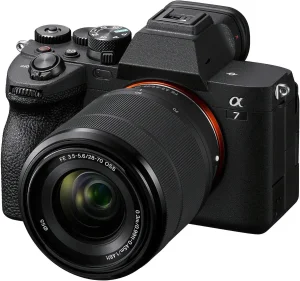
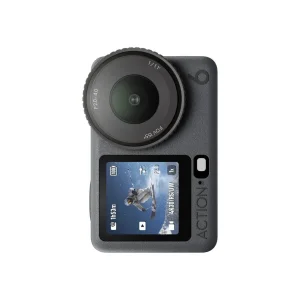
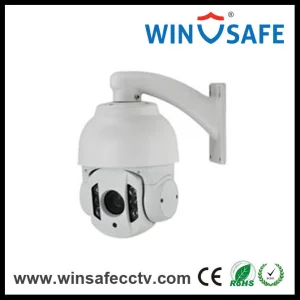
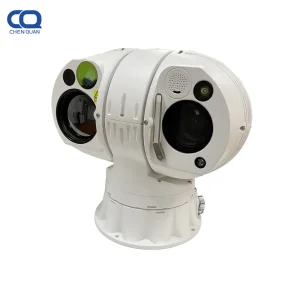
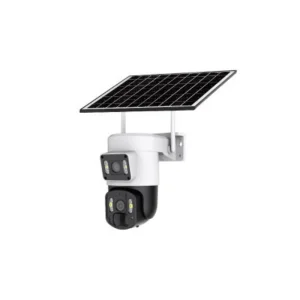
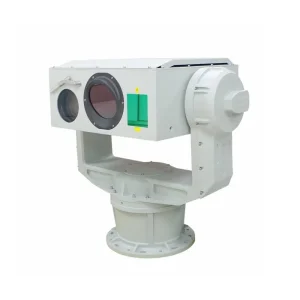
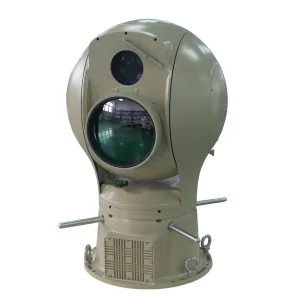
The global demand for high-performance wildlife photography and surveillance gear has shifted dramatically over the last decade. As we analyze the market through the lens of Search Quality Rater Guidelines (E-E-A-T), it becomes clear that Chinese manufacturers—exemplified by industry pioneers like Shenzhen Vuelo Camera Technology Co., Ltd.—have evolved from simple assembly points into sophisticated R&D hubs.
China's dominance in the optics and imaging sector is no longer just about cost-efficiency; it is about the "cluster effect." In regions like Shenzhen, the synergy between lens manufacturers, sensor suppliers, and mechanical engineering firms creates a rapid prototyping environment that Western competitors find difficult to match. For businesses looking to procure wildlife gear—ranging from high-speed PTZ cameras to ruggedized thermal imaging—this ecosystem offers:
Wildlife photography requires equipment that survives extreme weather, remains silent, and possesses long-range detection capabilities. Modern factories are now investing heavily in:
With over 22 years of expertise, Vuelo has transitioned from traditional film-era foundations to cutting-edge digital imaging. Our mission is built on the belief that imaging tools should empower creators and scientists alike.
Brand Authority: Officially registered globally in 2013, Vuelo represents a commitment to the fusion of intelligence and vision. We leverage direct feedback loops with dealers and partners to refine our product performance, durability, and aesthetic design.
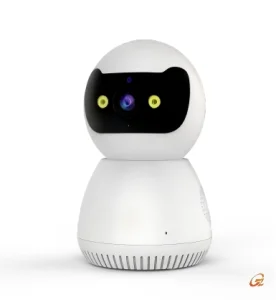
Design Philosophy: Our products are not mere hardware; they are companions for capturing life’s most ephemeral moments. By embedding creativity into our production cycle, we ensure that every unit—whether it's a home security PTZ or a professional-grade wildlife trap camera—delivers an unforgettable visual experience.
Innovation Pipeline: We are continuously exploring new frontiers in thermal imaging and long-range optics, moving toward a future of limitless visual possibilities.
A: Beyond the competitive pricing, the primary advantage is customization agility. Wildlife photography requires specific features (infrared intensity, shutter speed, battery longevity) that off-the-shelf global brands often ignore. Chinese factories like Vuelo allow for feature-set customization and private labeling that cater to niche scientific or hobbyist markets.
A: Quality assurance is the cornerstone of our operations. We maintain strict compliance with international standards (CE, FCC, RoHS) to ensure seamless importation into EU and North American markets. Our internal "Aging" and "Testing" protocols ensure that every product, from lenses to sensors, survives long-term deployment in field conditions.
A: We are witnessing a shift toward 5G connectivity and edge-AI analysis. Future cameras will not just record; they will analyze and classify wildlife patterns in real-time, sending instant alerts to researchers' mobile devices, effectively turning surveillance cameras into autonomous field biologists.
 Vuelo Camera