In the ever-evolving world of content creation, knowing how to livestream with a v-log camera is becoming essential. As technology progresses, more creators are choosing v-log cameras for their versatility and high-quality output. These devices can deliver stunning visuals and engaging stories to audiences in real-time.
While the process may seem straightforward, it involves more than just pressing ‘record.’ Factors like lighting, audio quality, and camera settings can significantly impact your final product. Many creators face challenges, from unplanned interruptions to technical glitches. Each livestream can serve as a learning opportunity, highlighting areas for improvement.
Mastering how to livestream with a v-log camera requires practice and patience. The landscape is competitive, with viewers expecting professionalism. However, authenticity shines through imperfections. Embracing flaws and live interactions can strengthen connections with your audience. Remember, every livestream is a chance to refine your craft and find your unique voice in the digital space.
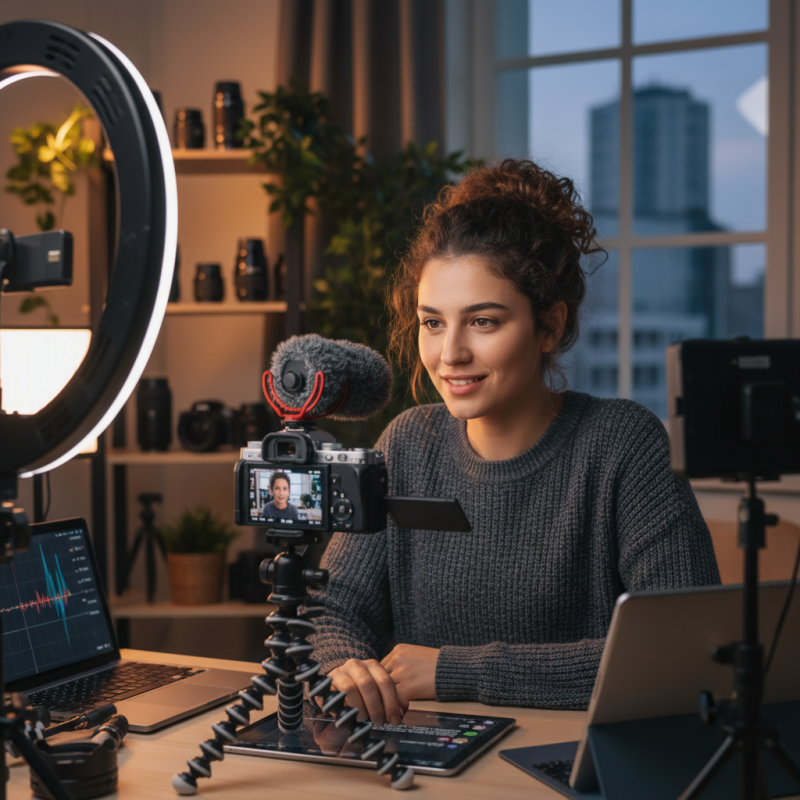
Choosing the Right Vlog Camera for Live Streaming in 2026
When choosing a vlog camera for live streaming in 2026, several factors come into play. First, look for cameras that offer excellent video quality. A resolution of at least 1080p is important. This ensures your audience sees clear and engaging visuals. Additionally, consider the camera's low-light performance. Streaming in dim environments can be challenging. A camera that excels in low-light conditions can make a significant difference.
Another critical feature is connectivity. Many vloggers need to connect their cameras directly to streaming platforms. Ensure your camera has HDMI output or wireless capabilities. This makes the process smoother. It’s also vital to check the battery life. Long streaming sessions can drain batteries quickly. Having a camera with extended battery life allows flexibility. However, not all cameras provide this. Be prepared to test various models before settling on one.
Furthermore, pay attention to the audio quality. Clear sound is crucial for engaging your audience. Integrated microphones may not always suffice. Consider using an external microphone for the best results. The ergonomics of the camera are also essential. A comfortable grip helps during long streams. Production can feel overwhelming, and having a reliable tool is key. Take your time to assess each option thoroughly.
Understanding Video Resolution and Frame Rate for Optimal Streams
When livestreaming with a vlog camera, understanding video resolution and frame rate is crucial. A common standard, 1080p at 30fps, is often considered adequate. However, in 2026, 4K streaming is becoming the industry norm. Reports from industry sources indicate that around 70% of viewers prefer 4K content. This higher resolution delivers clearer images, enhancing the viewing experience.
Frame rate influences the smoothness of your stream. For gamers, a frame rate of 60fps is ideal. It provides fluid motion without choppiness. Content creators should note that a higher frame rate may require more bandwidth. In practice, achieving consistent 60fps could be a challenge in unstable internet conditions. Regular testing and adjustments are essential for optimal performance.
Choosing the right combinations of resolution and frame rate is not straightforward. You're often balancing quality against the technical limitations of your setup. Although many users crave high-quality streams, it’s vital to assess your equipment’s capabilities. Streaming at unrealistic settings can lead to buffering issues and viewer frustration. Ultimately, experimentation and adaptability are keys to mastering the art of livestreaming.
Essential Accessories for Enhanced Livestreaming Quality
When it comes to enhancing your livestreaming quality, the right accessories make a significant difference. High-quality audio is crucial. A good microphone improves sound clarity. Lapel mics or shotgun mics can capture conversations better. Don't overlook windshields for outdoor settings. They help filter out background noise effectively.
Lighting is another area where accessories shine. A portable LED light can dramatically improve video quality. It reduces harsh shadows and illuminates your face evenly. Consider softboxes for a more professional look. They diffuse light, offering a warm and inviting vibe. Streamers often underestimate the impact of good lighting.
Lastly, a sturdy tripod adds stability. Shaky footage is distracting and unprofessional. Invest in one that adjusts to various heights. Remember, balancing your camera on an unstable surface can lead to disappointing results. Adding these elements to your gear not only enhances your stream but also elevates your overall presence.
How to Livestream with a Vlog Camera in 2026 Top Tips? - Essential Accessories for Enhanced Livestreaming Quality
| Accessory |
Function |
Importance Level |
Estimated Cost (USD) |
| External Microphone |
Improves audio quality |
High |
$100 |
| Tripod |
Stabilizes camera |
Medium |
$50 |
| Lighting Kit |
Enhances video quality |
High |
$150 |
| Streaming Software |
Facilitates live broadcasting |
High |
$20/month |
| Capture Card |
Directs feed to computer |
Medium |
$150 |
| Headphones |
Monitors audio levels |
Medium |
$30 |
Best Platforms for Livestreaming with a Vlog Camera in 2026
Choosing the right platform for livestreaming with a vlog camera in 2026 can make a significant difference. Recent industry reports indicate that live streaming is growing rapidly, with an annual growth rate of 28%. This rapid expansion means creators must select platforms that meet their specific needs effectively.
YouTube Live is a strong contender, boasting over 2 billion active users. This platform allows for interactive engagements and offers tools for monetization. Twitch, originally designed for gamers, has extended its reach to vloggers. The platform emphasizes community engagement, where streamers can interact closely with their audience. Not to forget, platforms like Facebook Live support direct connections with followers, encouraging organic growth.
As you navigate these platforms, consider your unique audience. Some platforms may not suit your content style. A growing number of creators are finding that niche platforms might offer better engagement. Data shows that live streams generate six times more interactions than traditional video uploads. This suggests that honing in on the right platform could enhance your reach. Each choice comes with its learning curve and potential pitfalls. Reflecting on these factors is crucial for successful live streaming.
Tips for Engaging Your Audience During a Livestream Event
Engaging your audience during a livestream event is crucial for success. Research shows that interactive elements can boost viewer retention by 80%. Viewers crave connection. Utilizing polls or Q&A sessions can create real-time interaction. This fosters a sense of community and involvement, making your audience feel valued.
Visuals play a pivotal role. Streaming with high-quality video captures attention. However, many overlook lighting. Poor lighting can deter viewers. Make sure your setup is bright and inviting. Clear audio is equally important. A muffled sound can frustrate your audience. Invest in quality microphones.
Timing matters too. Peak viewer hours are often evenings and weekends. Early analysis of your target demographic can guide you. Learn from past performances. Look at viewer drop-off points. Adjust your content accordingly. It’s important to adapt and refine your approach based on what audiences respond to. Experiment, analyze, and improve your livestreams for a more rewarding experience.
Engagement Metrics During Livestream Events
Conclusion
In the evolving landscape of livestreaming, knowing how to livestream with a v-log camera effectively in 2026 is essential for content creators. Start by selecting a vlog camera that suits your streaming needs, focusing on video resolution and frame rate to ensure optimal broadcast quality. Understanding these technical aspects will significantly enhance viewer experience.
Additionally, equipping yourself with essential accessories such as microphones and stabilizers can improve the overall quality of your streams. Familiarity with the best platforms for livestreaming will further amplify your reach. Lastly, engaging your audience during the event is vital; consider interactive elements to keep viewers involved and invested in your content, ensuring a successful livestreaming experience.

 Vuelo Camera