How to Know the Legal Height for Flying a Drone Camera?

Time:2026-06-19 Author:Ethan
0%

Flying a drone camera can be exciting and offers unique perspectives. However, it is crucial to understand what is the legal height for flying a drone camera. Regulations vary by location, so knowing the specific rules is essential. It impacts both your flight experience and safety.

Many areas permit flying drones up to 400 feet. But some regions may impose stricter limits. For instance, urban settings often have lower altitude restrictions due to air traffic. Research local laws diligently; failing to do so can lead to fines or worse consequences.

In addition, always consider factors like weather and surroundings. Poor visibility can make flying more dangerous, even within legal limits. Remember, a drone is not just a toy. Respecting regulations is a key part of responsible drone ownership, fostering safer skies for everyone.
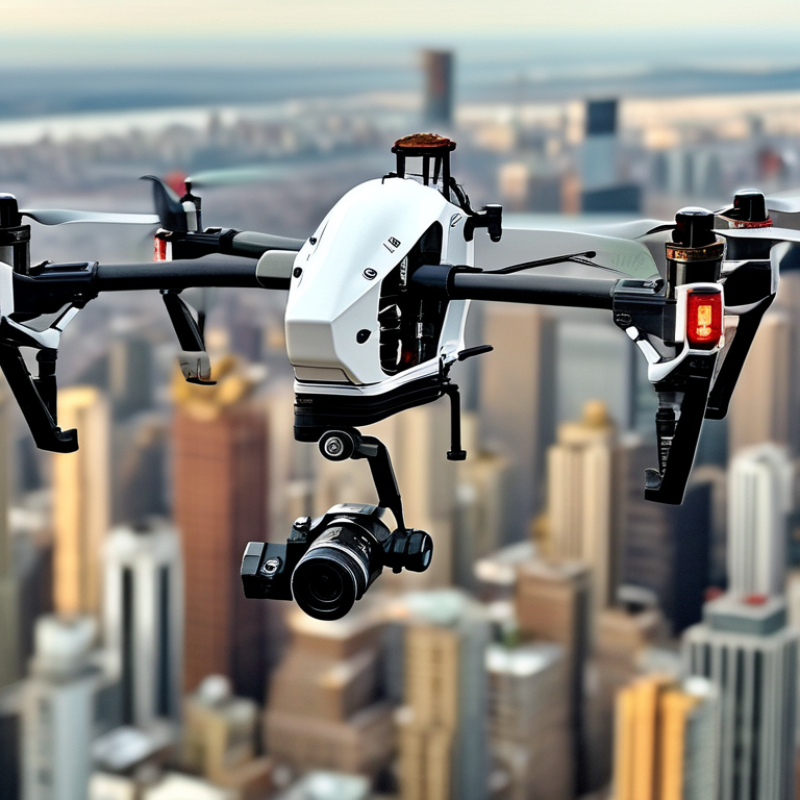
How to Know the Legal Height for Flying a Drone Camera?

Understanding Drone Regulations and Legal Flight Altitudes

Understanding drone regulations can feel overwhelming. Many new drone pilots struggle to grasp legal flight altitudes. Various countries have different rules. In the United States, for example, the Federal Aviation Administration (FAA) typically allows flights up to 400 feet above ground level. This height is designed to keep drones safely away from manned aircraft.

Additionally, drone operators need to be aware of certain restrictions. Flying near airports or in restricted airspace is illegal. Local regulations can also dictate specific altitude limits. For example, some urban areas might impose stricter height restrictions due to privacy concerns. Always check local laws to avoid fines or legal issues.

It’s crucial to understand these rules thoroughly. The consequences of non-compliance can be severe. Many beginners overlook altitude limits, leading to accidents or legal troubles. Reflecting on past experiences can help improve safety awareness. Always prioritize research and education before drone operation.

Drone Flight Altitudes by Region

Factors Influencing Legal Altitude Limits for Drone Flight

When flying a drone camera, knowing the legal altitude limits is crucial. These limits can vary significantly based on several factors. Local regulations often dictate how high you can fly. These laws may differ across regions, making it essential for drone operators to stay informed. Airspace classification also plays a vital role. For example, flying in controlled airspace will typically have lower altitude limits.

Weather conditions are another key factor. Strong winds or storms can affect how high you safely fly. Operators should always check the weather updates before taking off. Additionally, proximity to airports is critical, as flight paths often have strict altitude restrictions. Understanding your drone’s features, such as its maximum altitude, also impacts your flying experience.

Finally, awareness of surrounding structures is important. Tall buildings can create obstacles and may limit your altitude. Engaging local flying communities can provide insights about specific areas. Reflecting on these factors will help ensure a safe and legal drone flying experience. Always keep learning from each flight.

How to Research Legal Height Regulations in Your Area

When researching legal height regulations for flying drone cameras, it's essential to consider local laws. Many areas have specific height restrictions that vary significantly. The Federal Aviation Administration (FAA) in the United States typically allows drones to be flown up to 400 feet above ground level. However, knowing these regulations is not enough. You must also verify local rules.

Resources like drone regulatory websites and local government agencies provide vital information. Some reports suggest that only 30% of drone operators are aware of their local regulations. This lack of knowledge can lead to unintended violations. Consulting with local authorities can help clarify any ambiguities. In areas near airports, restrictions can be even more stringent due to safety concerns.

Moreover, understanding airspace classifications is crucial. For example, Class B airspace has tighter rules, and flying here may require specific permissions. Local community boards sometimes have unique guidelines for drone use too. With the rise in drone photography, staying informed is key for responsible flying. It’s not just about enjoying the technology but also about being a compliant user. By actively researching and understanding these regulations, drone operators can ensure they fly safely and legally.

Tips for Staying Compliant with Drone Height Restrictions

Flying a drone requires strict adherence to height restrictions set by aviation authorities. In the United States, for example, the Federal Aviation Administration (FAA) limits drone flight to a maximum altitude of 400 feet above ground level. This regulation aims to ensure safety and prevent collisions with manned aircraft. However, many drone operators remain unaware of these rules, which can lead to serious consequences.

To stay compliant, it’s essential to consult local regulations. Many areas have specific rules that may restrict heights even further. According to a report by the Drone Industry Insights, nearly 30% of drone operators inadvertently fly at unsafe altitudes due to a lack of knowledge. Therefore, operators should use reliable resources, like government websites or drone training courses.

Maintaining awareness of your surroundings is crucial. Trees, buildings, and other structures can affect your drone's operational height. Monitoring these factors helps prevent unintentional violations. Before flying, assess the environment carefully. Remember, flying responsibly is not just about technology; it’s also about informed decision-making. Neglecting these aspects can lead to accidents and legal repercussions. Always prioritize compliance.

How to Know the Legal Height for Flying a Drone Camera? - Tips for Staying Compliant with Drone Height Restrictions

Region Legal Height (ft) Notes
United States 400 Above ground level (AGL) unless near structures
Canada 400 Must maintain visual line of sight
United Kingdom 400 Must stay away from people and built-up areas
Australia 400 Restricted in certain controlled airspace
European Union 400 Requires registration and remote pilot license

Potential Consequences of Ignoring Drone Flight Altitude Laws

Flying a drone camera may seem exciting, but understanding altitude regulations is crucial. Ignoring these laws can lead to severe consequences. For instance, flying above the legal height can potentially disrupt air traffic, putting lives at risk. Certain heights can lead to fines or even criminal charges. Knowing the specific limits in your area can protect you from these issues.

These regulations serve a purpose. They help maintain safety in crowded airspaces. However, many drone operators overlook these rules. This negligence often stems from a lack of knowledge or awareness of the regulations. Some might think, “What’s the harm in flying just a little higher?” This mindset is risky. It is essential to stay informed and educated.

Moreover, flight altitude laws can vary significantly by jurisdiction. A drone operator in one city might not realize they are breaking the law in another. Each area has its regulations based on safety, geography, and air traffic. The complexity can be overwhelming. This highlights the need for thorough research before piloting a drone. Taking time to understand these laws not only ensures safety but also enhances the enjoyment of flying a drone responsibly.

FAQS

: What are the legal altitude limits for drone flight?

: Legal altitude limits vary by location and regulations. Generally, operators should not exceed 400 feet above ground level.

Why is it important to check local regulations?

Local regulations often impose stricter altitude limits than general laws. Ignoring these can lead to legal issues.

How do airspace classifications affect drone flying?

Controlled airspace typically has lower altitude limits. Being aware of these classifications is essential for safe flying.

What weather conditions should operators consider before flying?

Operators should assess strong winds and storms. Adverse weather can impact both safety and altitude capabilities.

How can nearby structures influence drone flight?

Tall buildings and obstacles may restrict altitude. Awareness of surroundings helps prevent accidental violations of rules.

What are the risks of flying above legal altitude limits?

Higher flights can disrupt air traffic, posing safety risks. Ignoring altitude laws can lead to fines or even criminal charges.

How do knowledge gaps affect drone operators?

Many operators are unaware of altitude regulations, which can lead to unsafe flying practices. Continuous education is crucial.

Why should drone users engage with local communities?

Local flying communities can share insights about specific regulations and safe flying practices in your area.

How can monitoring surroundings help drone compliance?

Observing trees, buildings, and other structures reduces the chances of unintentional altitude violations.

What should be considered to fly responsibly?

Responsible flying includes understanding technology and making informed decisions about altitude limits and regulations.

Conclusion

When considering what is the legal height for flying a drone camera, it's essential to understand the specific regulations that govern drone use in your area. Various factors influence the legal altitude limits, including local laws, airspace classifications, and proximity to airports. Researching these regulations is crucial, as they can vary significantly depending on the region and intended usage of the drone.

To ensure compliance with drone height restrictions, operators should familiarize themselves with the guidelines set forth by aviation authorities, and stay updated on any changes. Additionally, practicing safe flying techniques and being aware of any obstacles can help mitigate potential issues. Ignoring these altitude laws can lead to serious consequences, including fines or restrictions on future drone operation. Ultimately, staying informed and compliant is key to responsible drone use.

Ethan

Ethan

Ethan is a seasoned marketing professional with a deep expertise in our company's innovative product line. With a passion for sharing knowledge and insights, he takes the lead in regularly updating our corporate blog, where he explores industry trends, product features, and effective marketing......